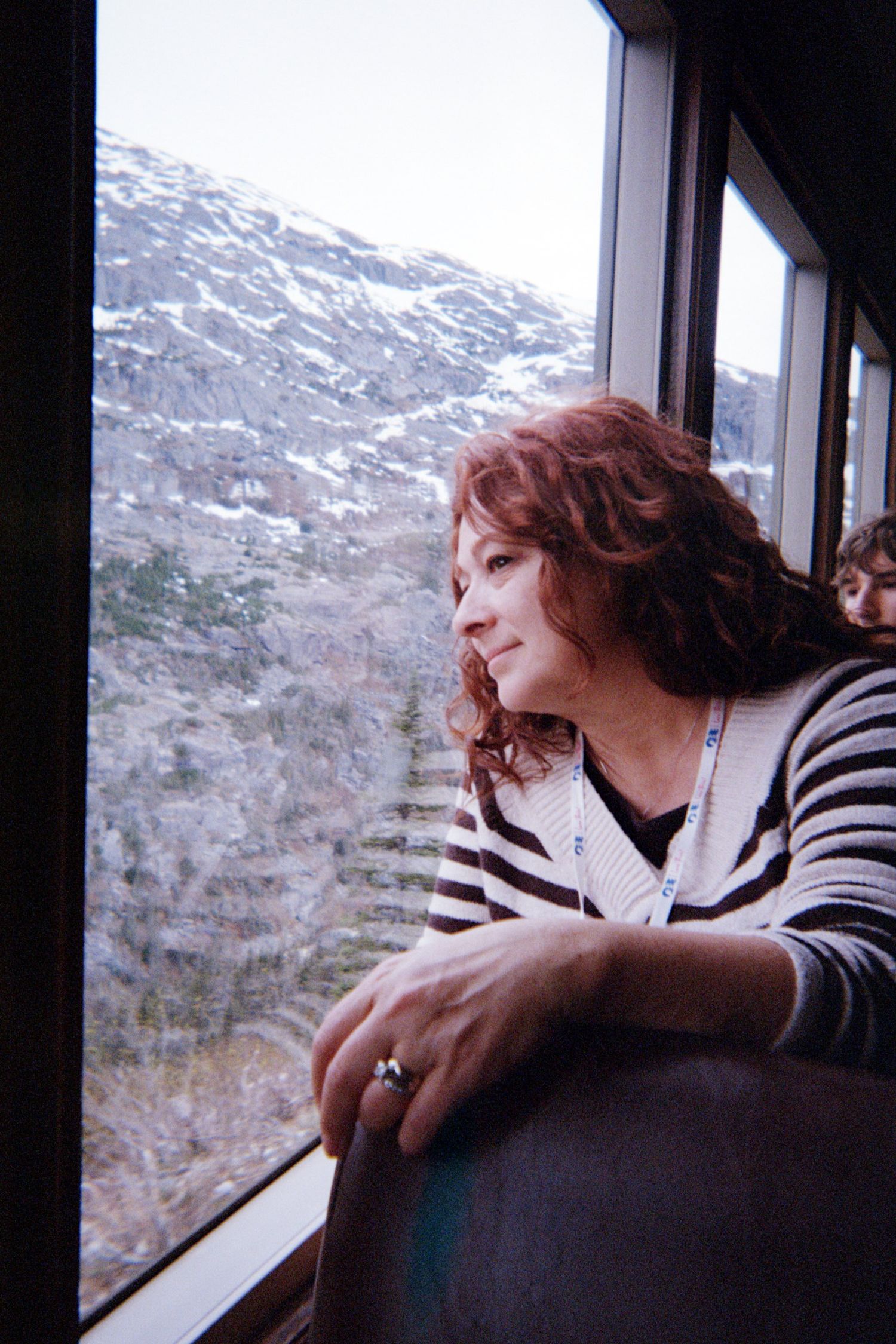
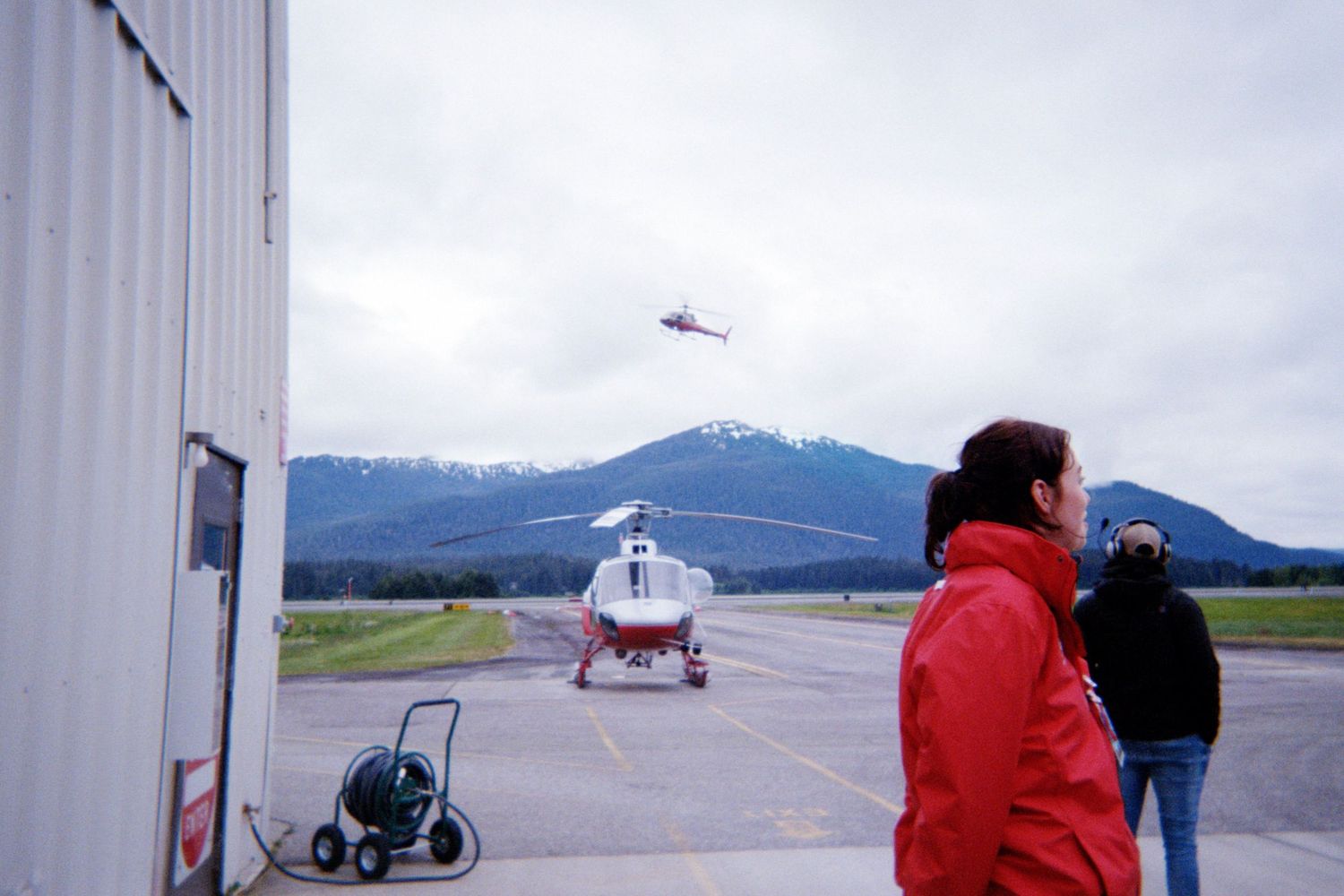
The first roll of film I ever shot was on a $20 disposable camera from Walmart, and I spent all 28 frames on the day of my senior year homecoming dance. When I went to college, it was those film photos, from homecoming, then prom, then my friends' graduation bonfires and summer boat days that I hung on my wall. I'm moving into a new apartment this weekend, and while I was going through the things I want to bring, I came by my film from a family trip to Alaska.
Film photography has found its way back into the conversation in recent years --- although I think for many, it never left. For decades, it was a way of life. Almost all the iconic photos from the 20th century were captured on film.
One of my mentors, Dave Labelle—a longtime photojournalist for newsrooms across the country—took a black and white photo of President Carter giving a speech in 1979. The photo tells a powerful story, but I can't help but think about the process it took to get there. The story about winding the film, focusing the camera, snapping the photo in that sliver of a moment in time, then developing, enlarging, printing, what have you --- I think that makes the photo all the more meaningful. I'll link it here.
Film forces you to be deliberate. Film is emotional. It demands intention and space in a practiced way that digital rarely touches. Film asks you to slow down. To know what you’re looking for before you lift the camera. It requires focus and confidence and a surety in the object of the photo in a way that's timeless.
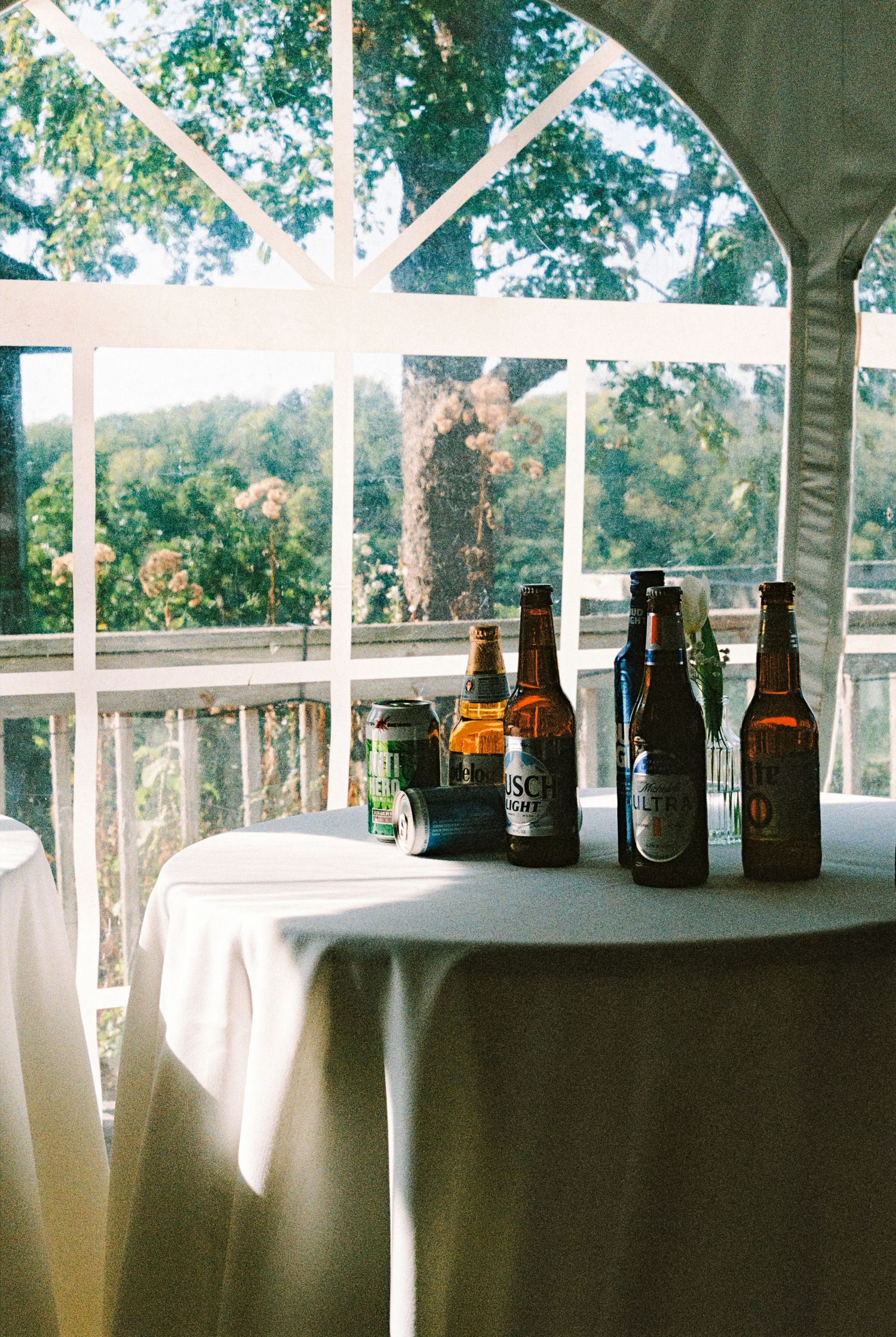
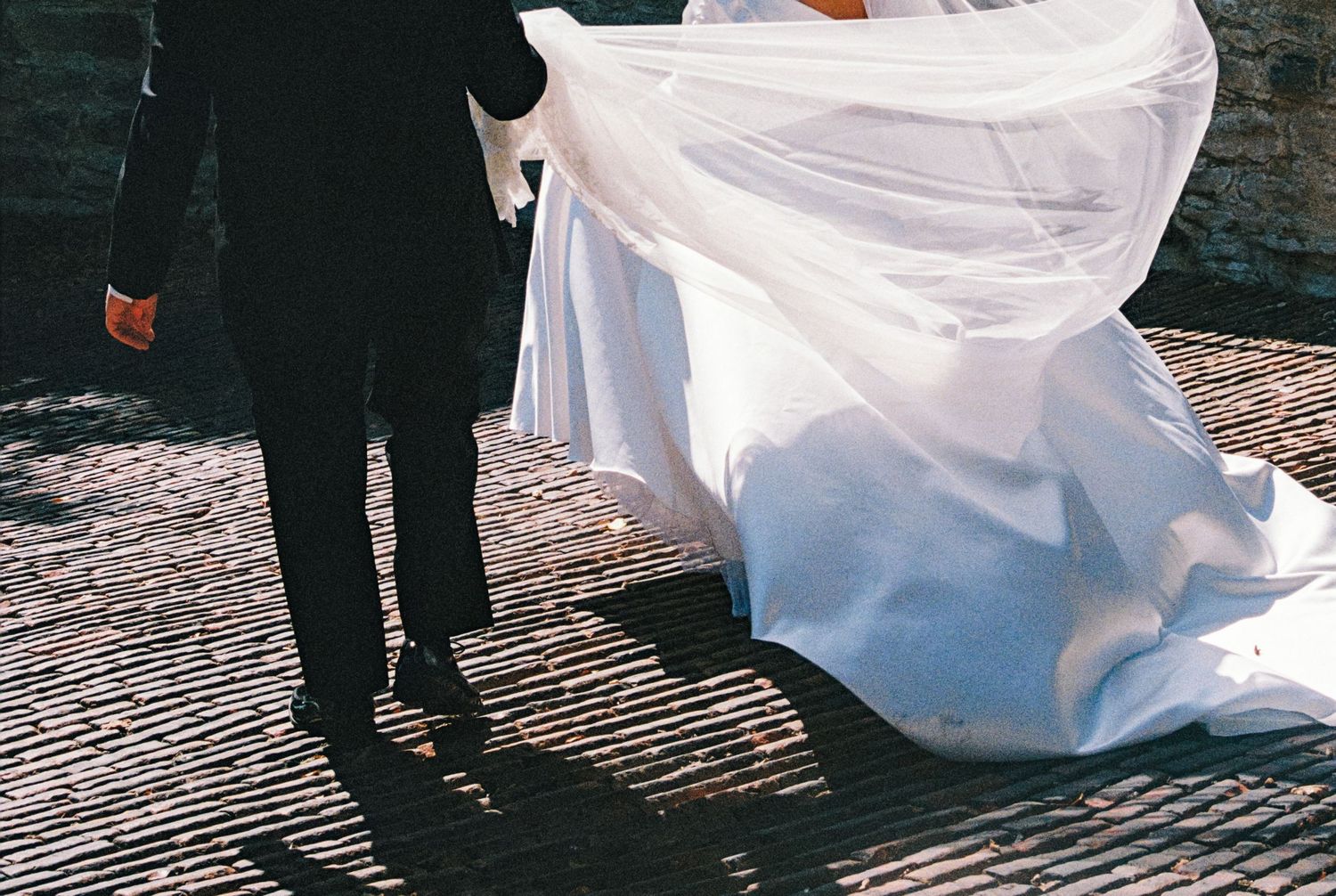
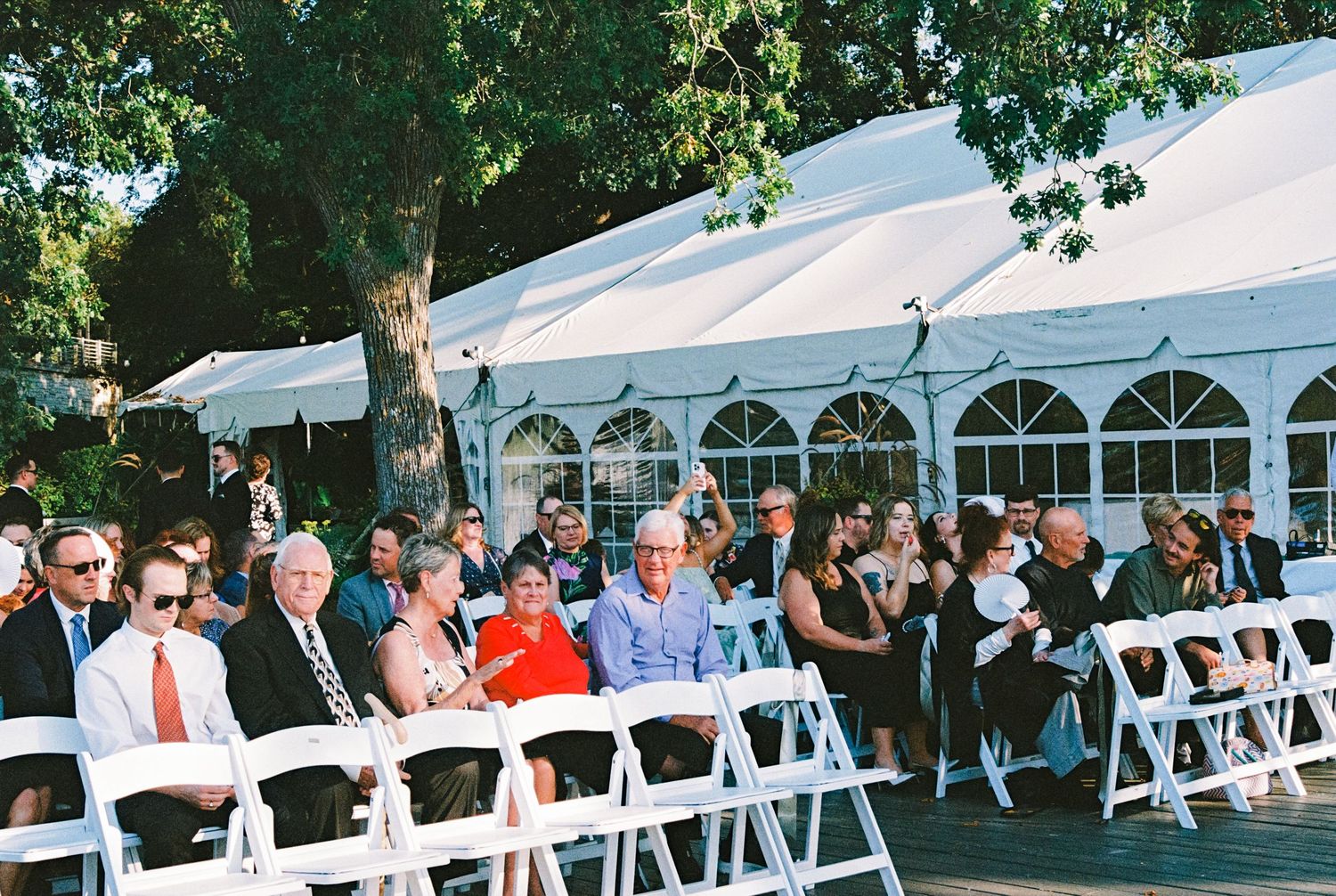
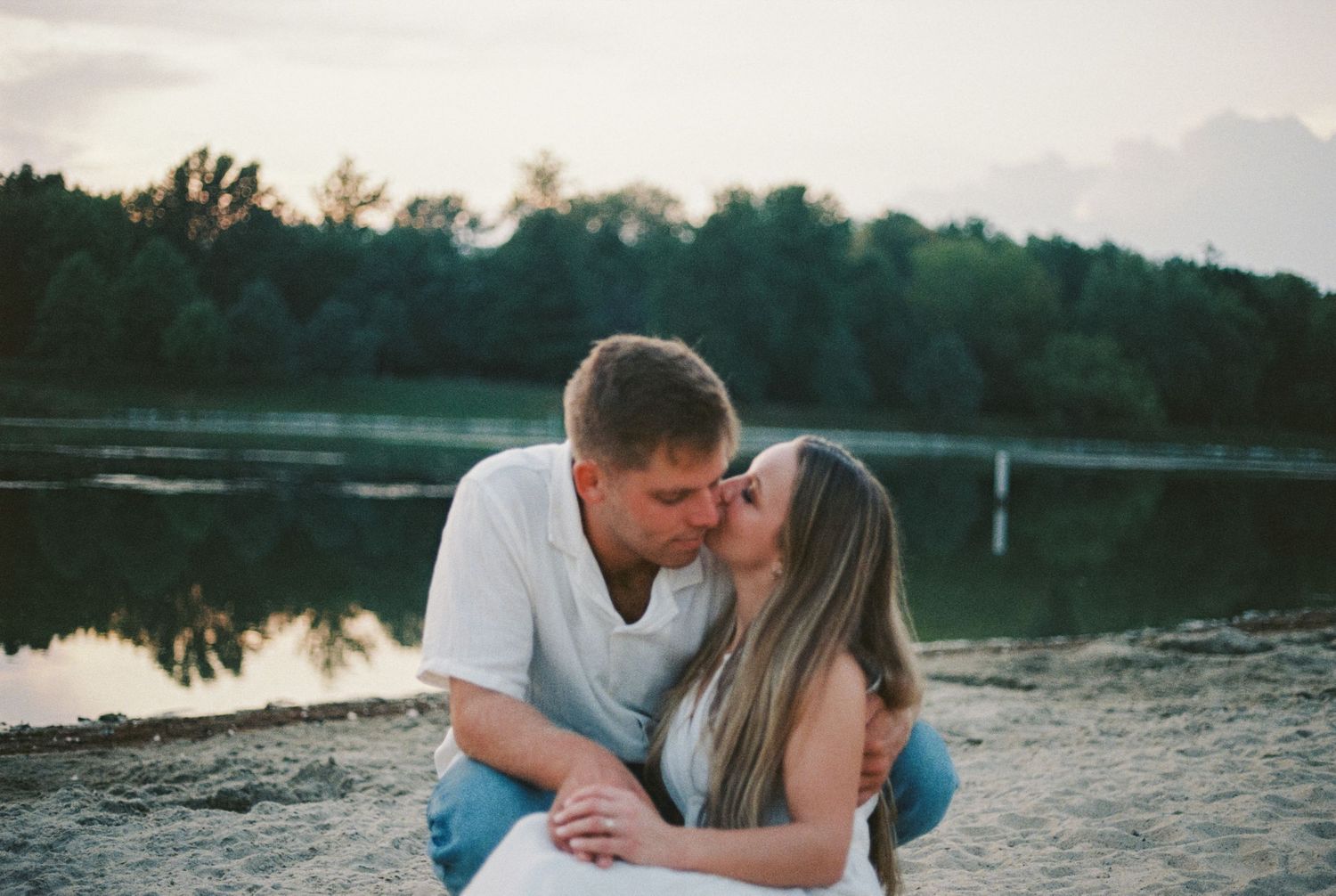
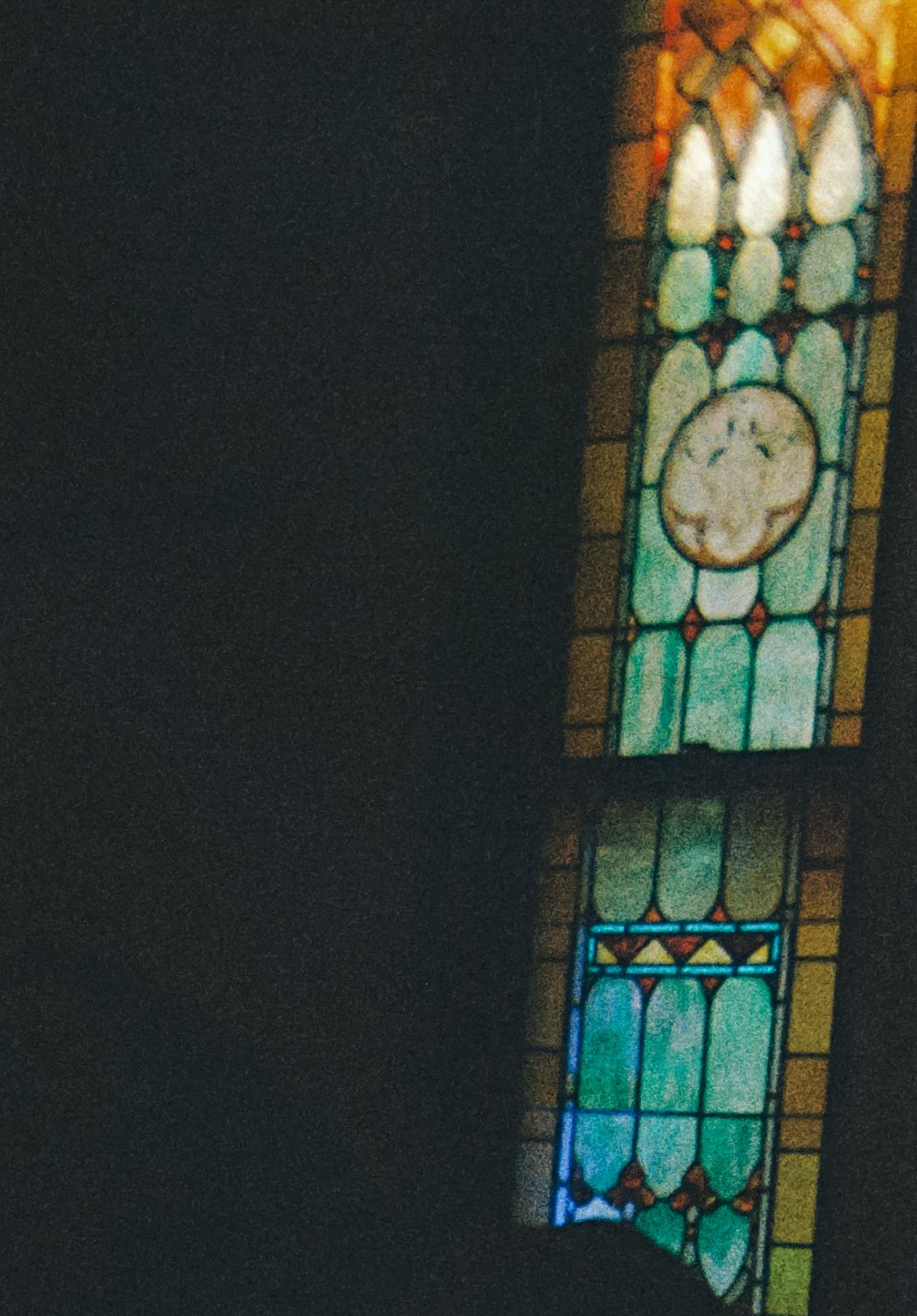
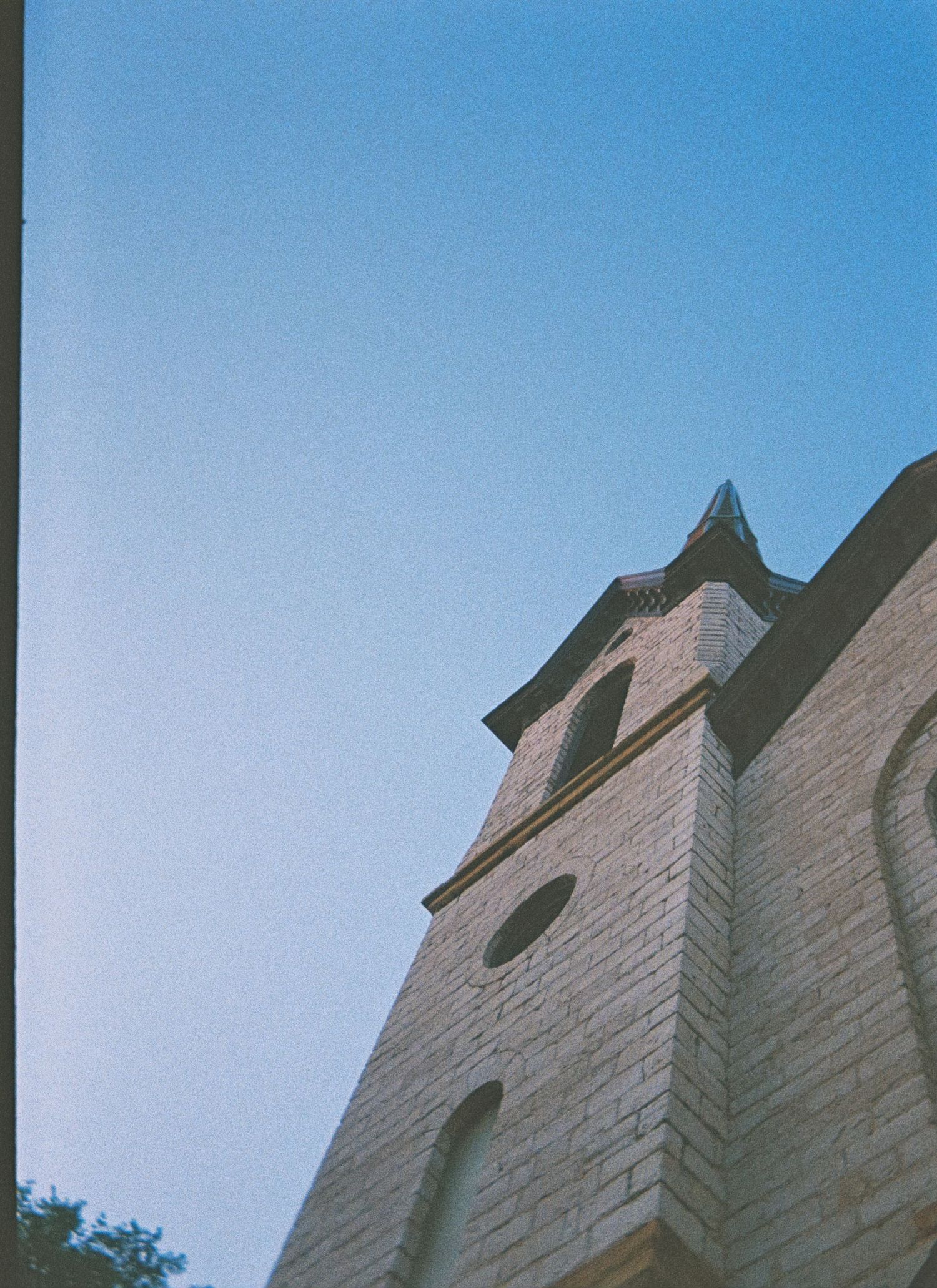
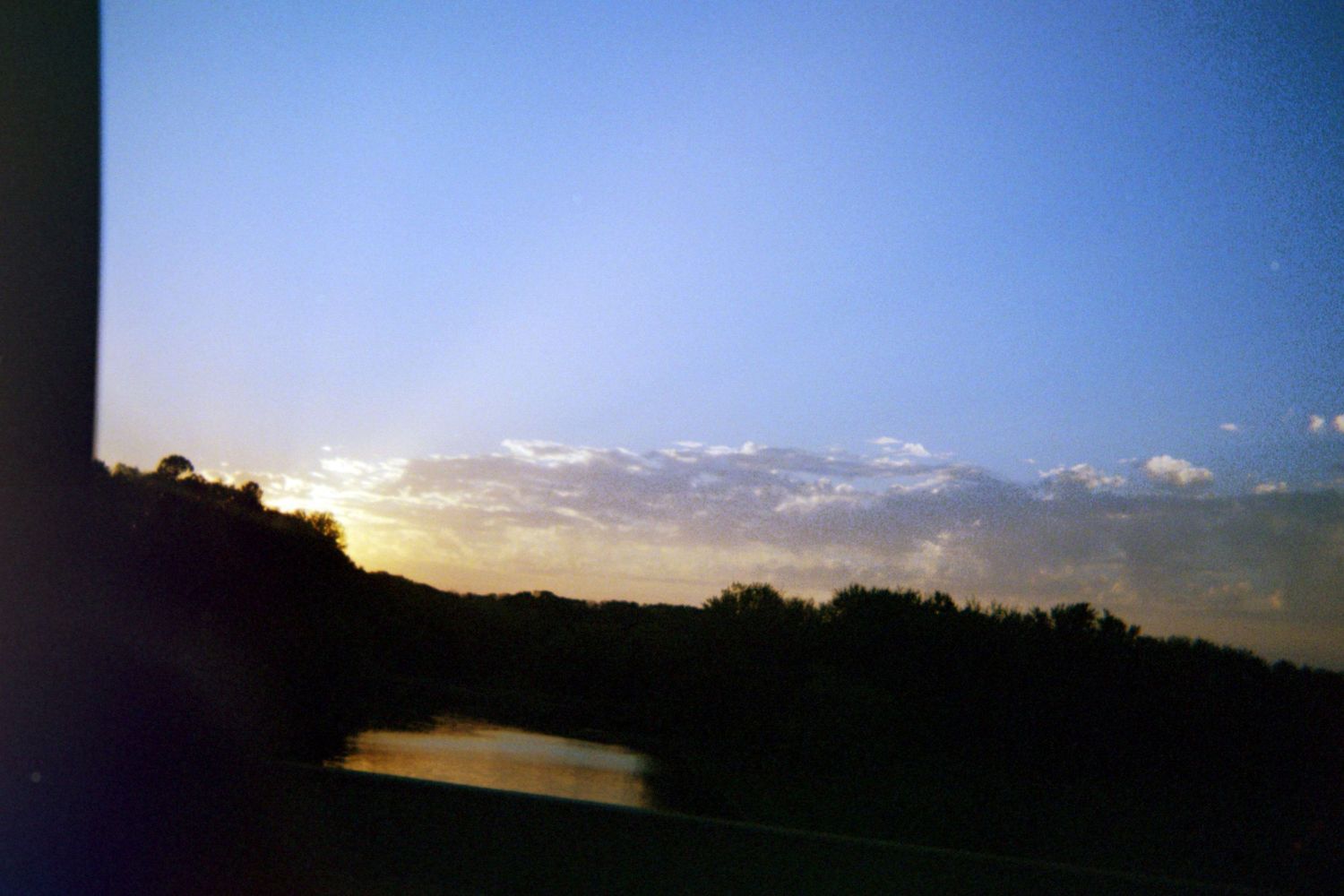
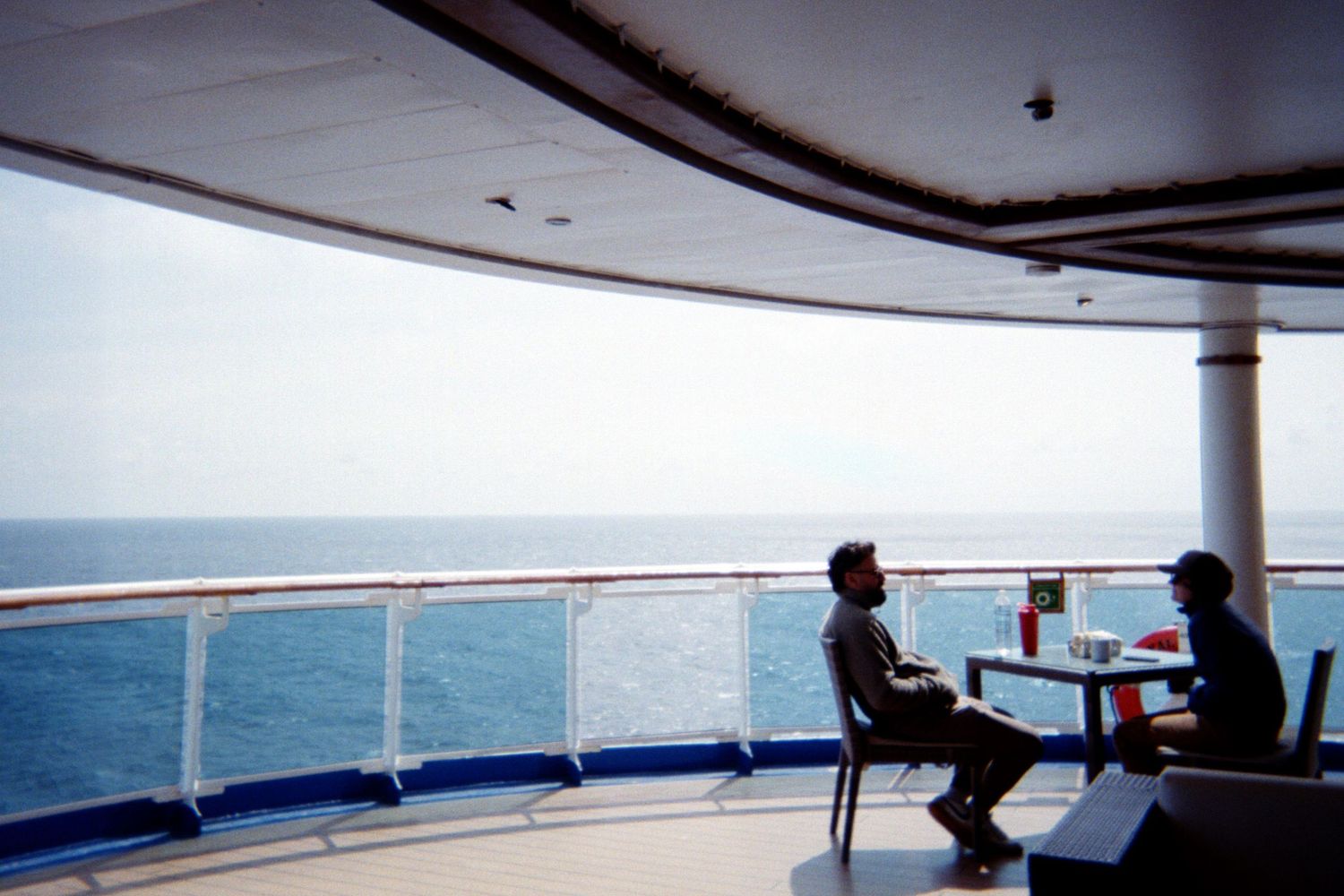
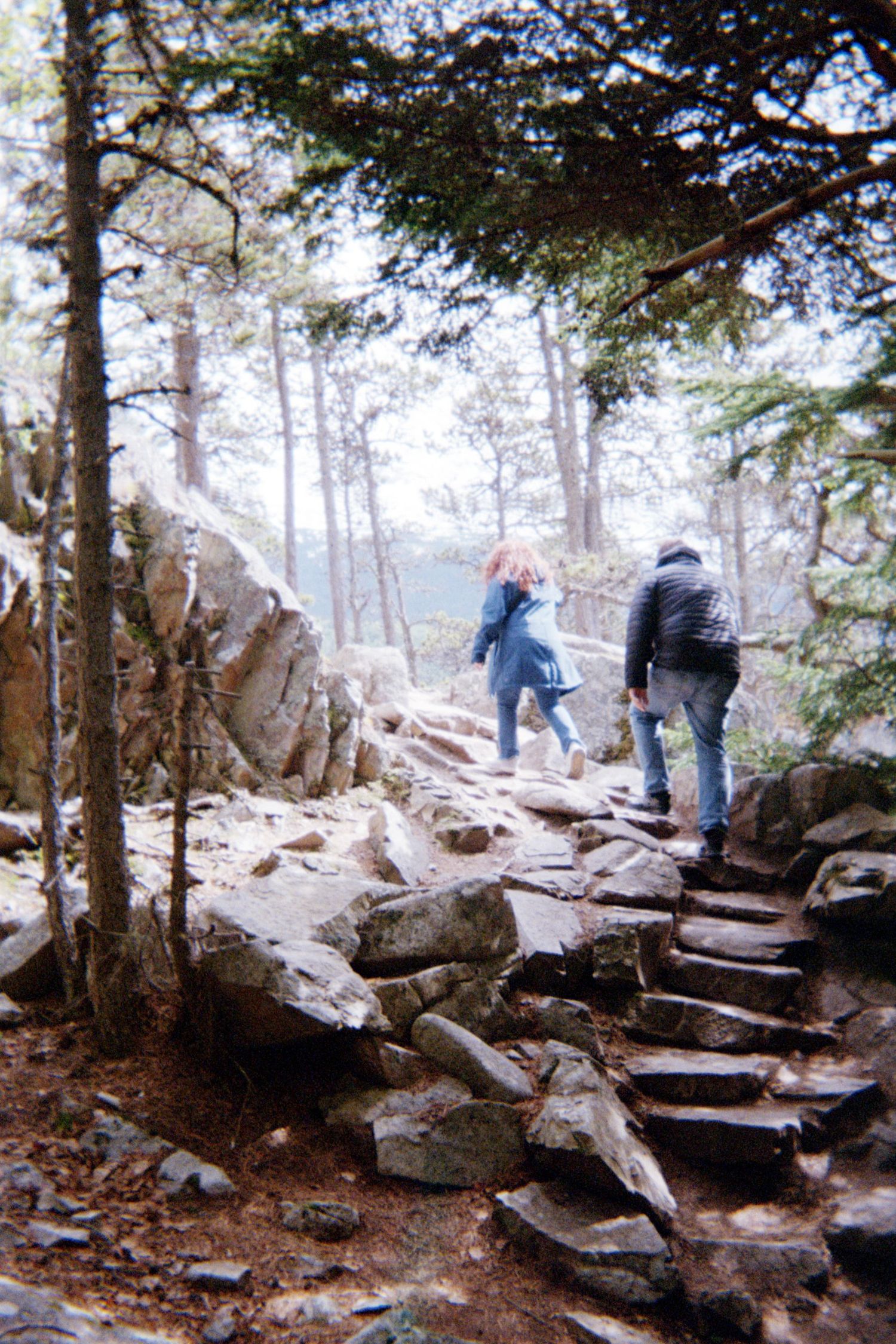
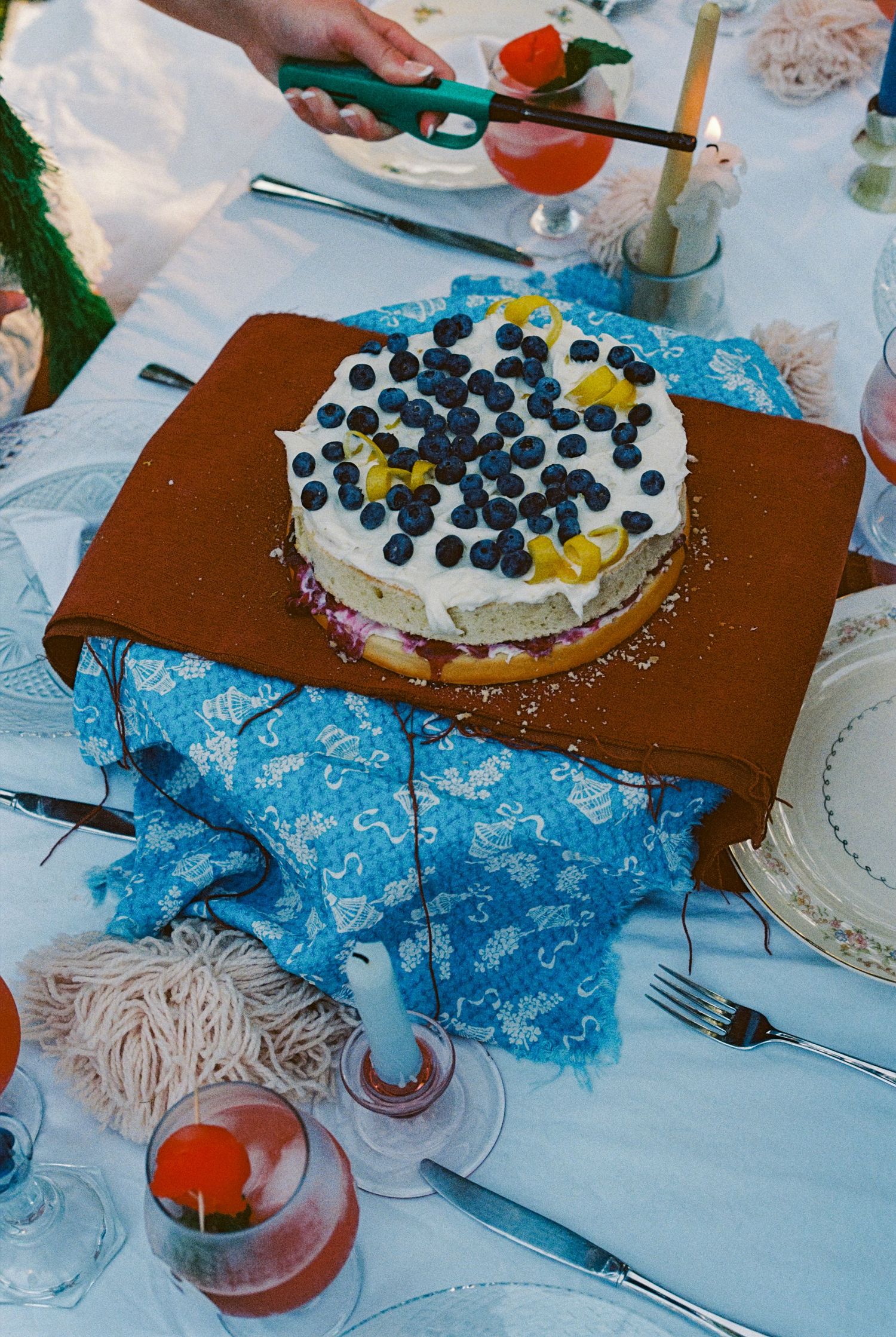
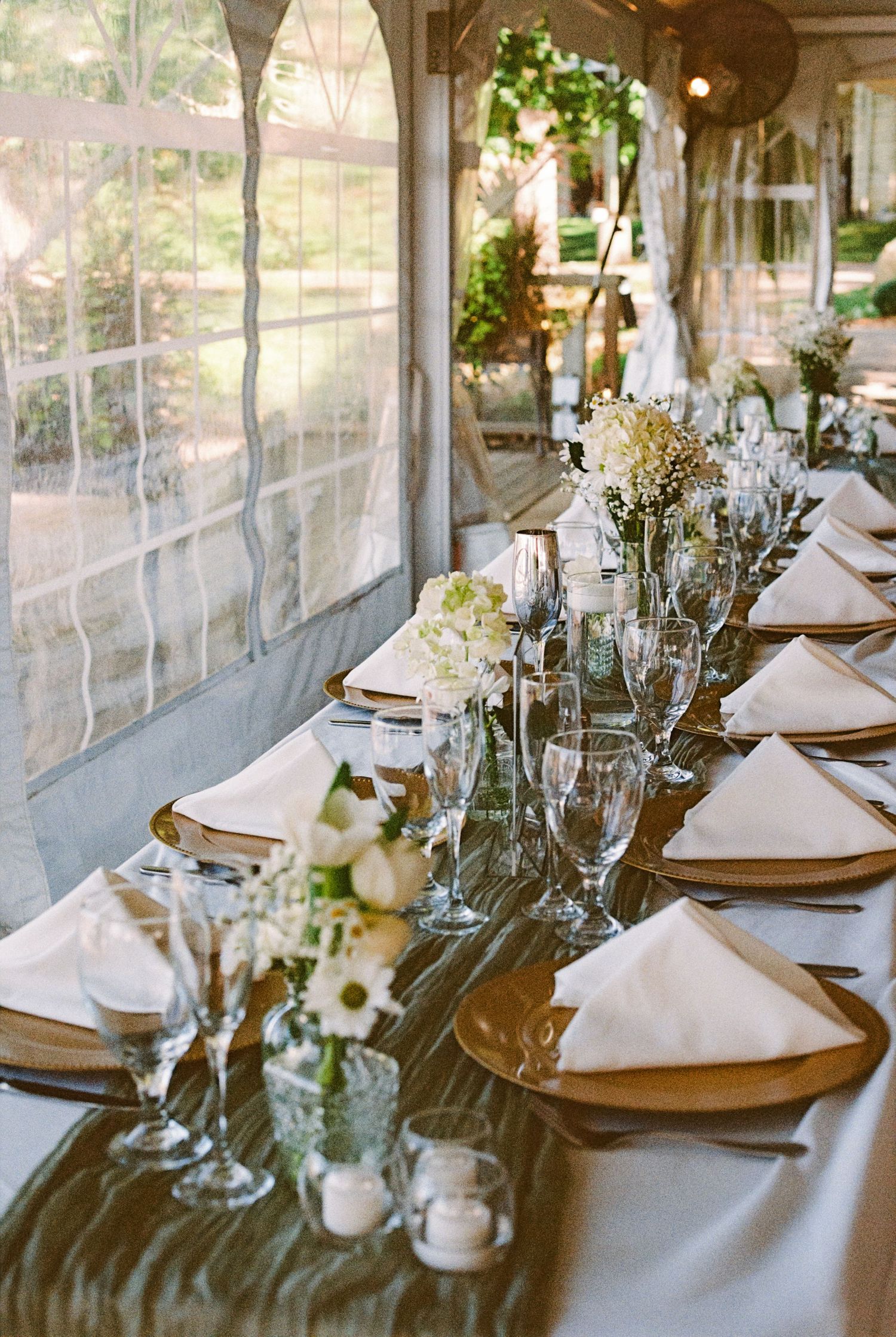
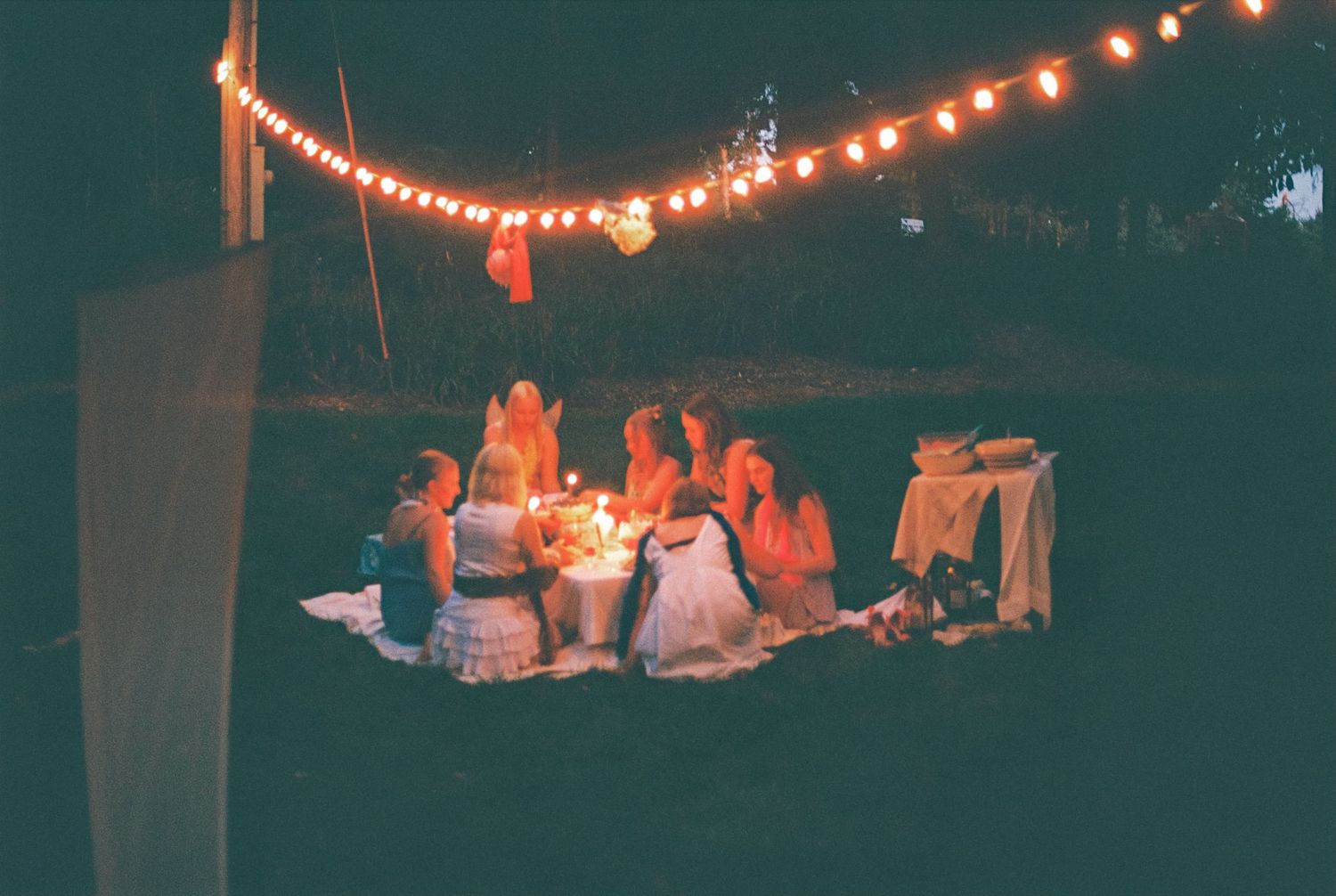
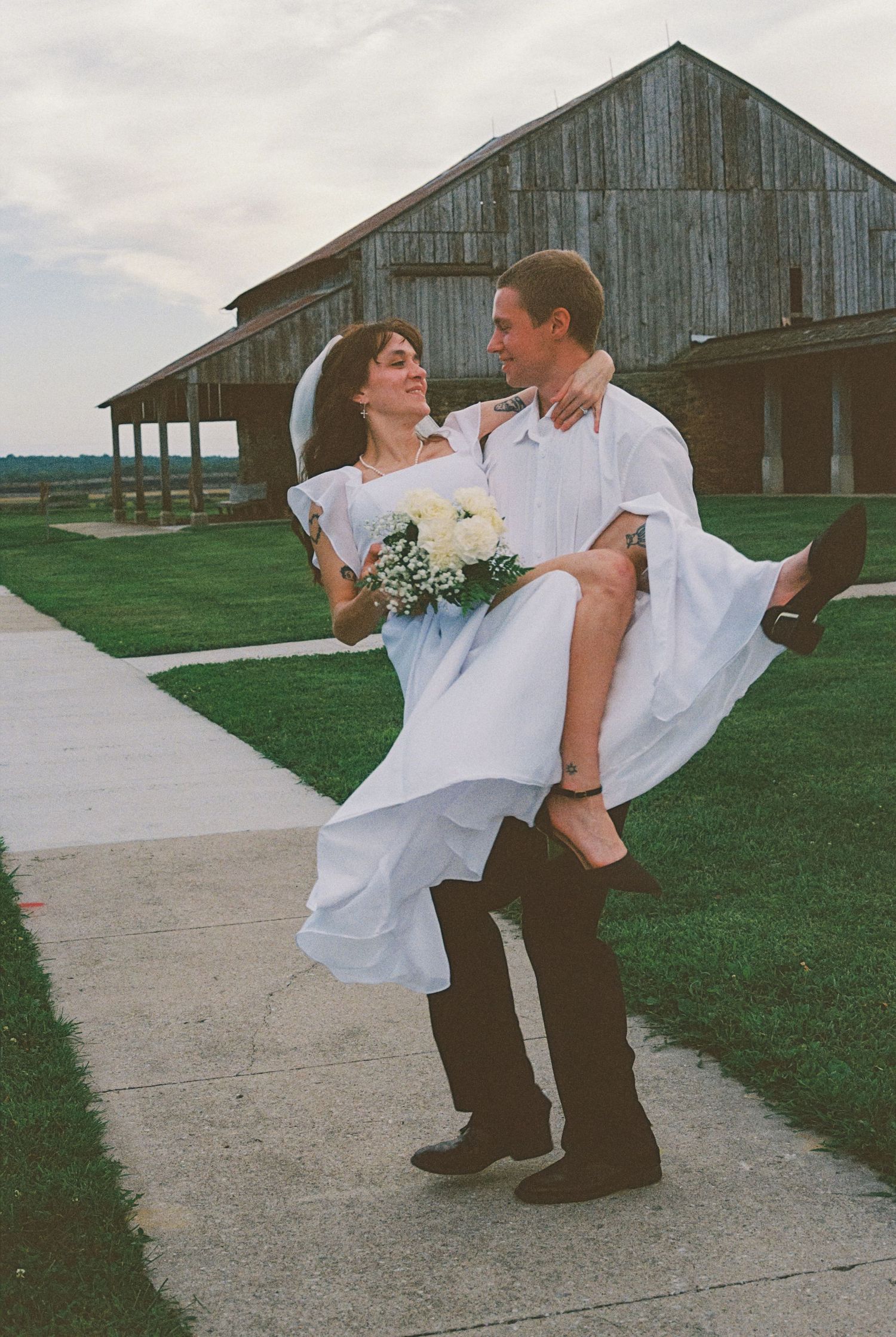
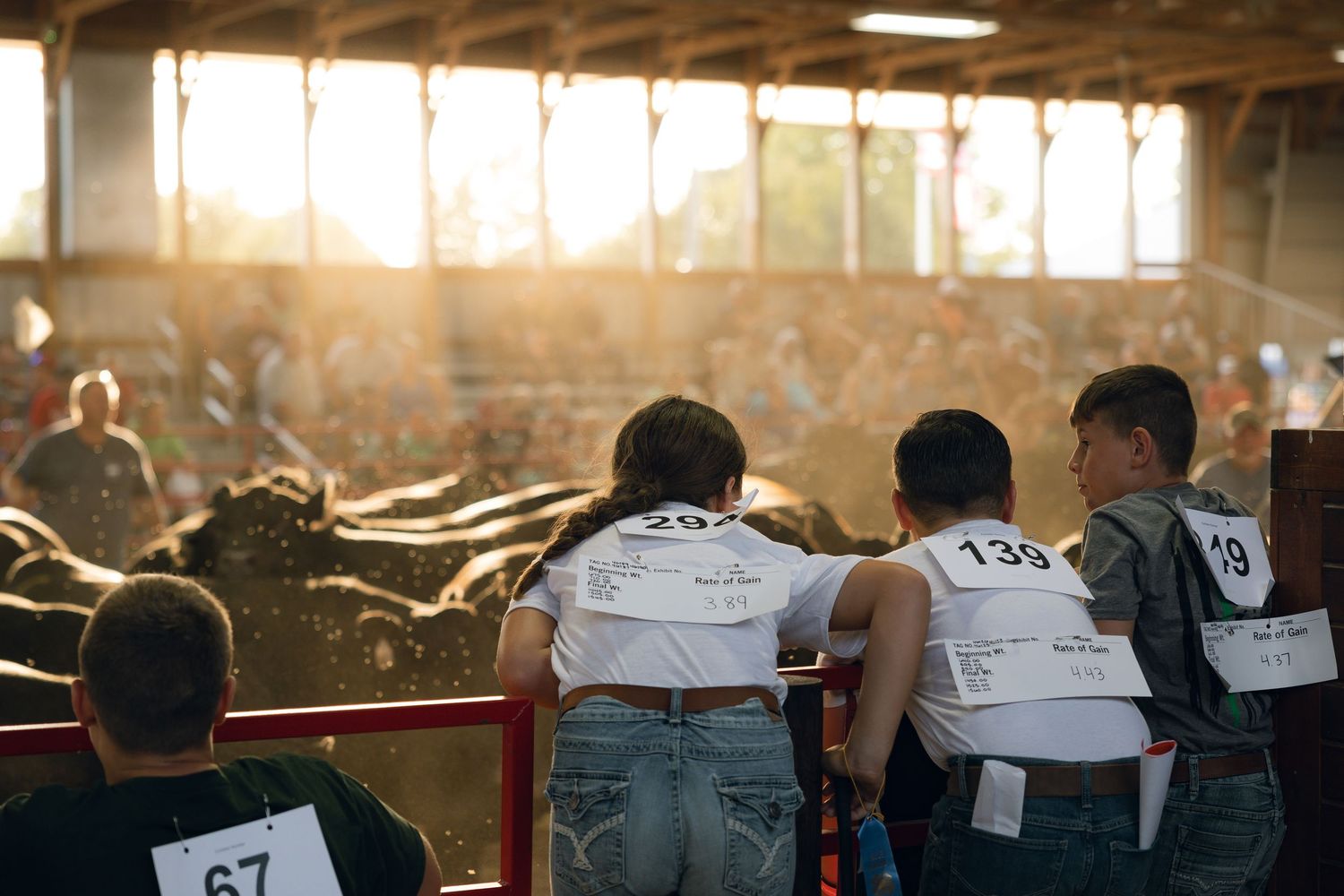
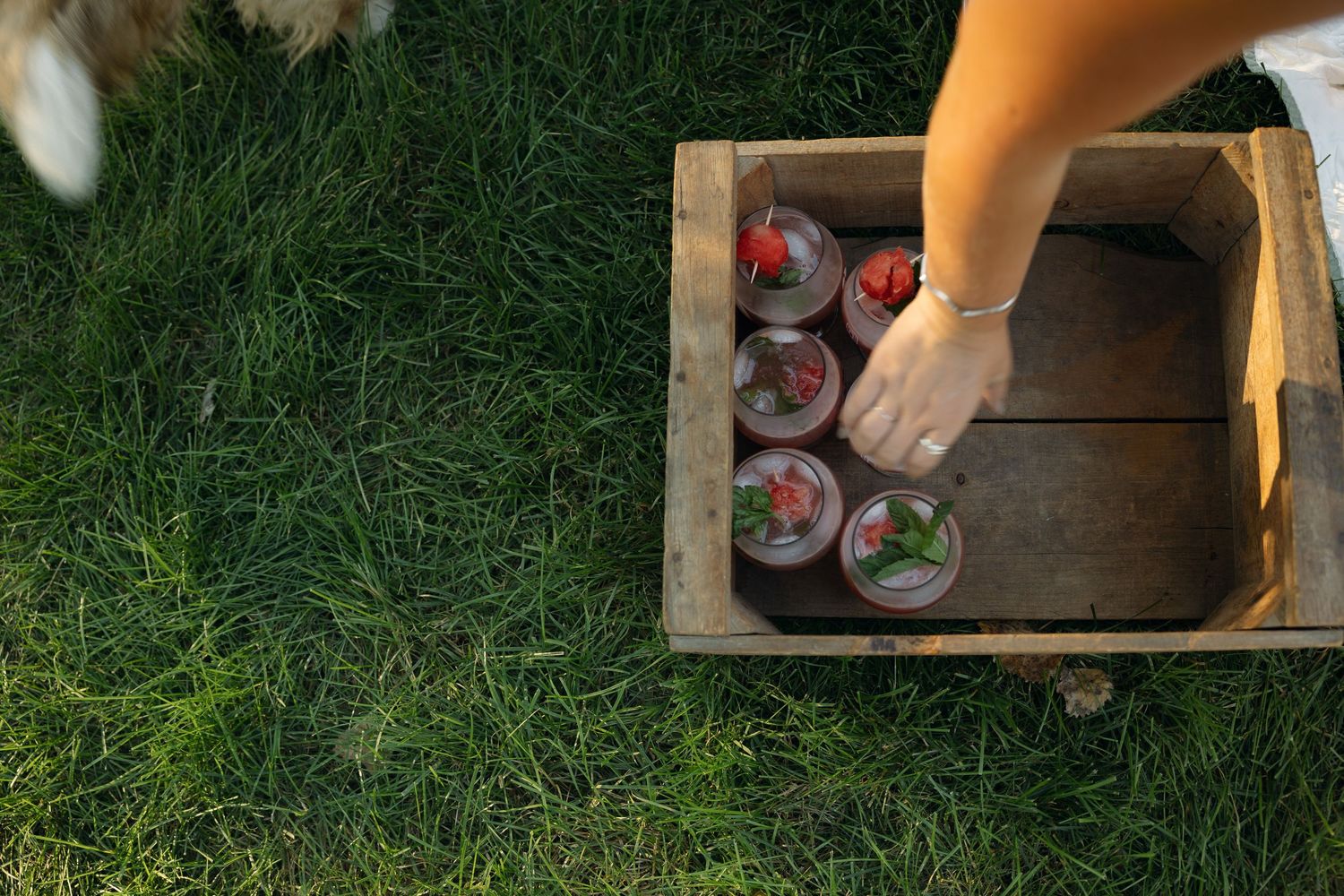
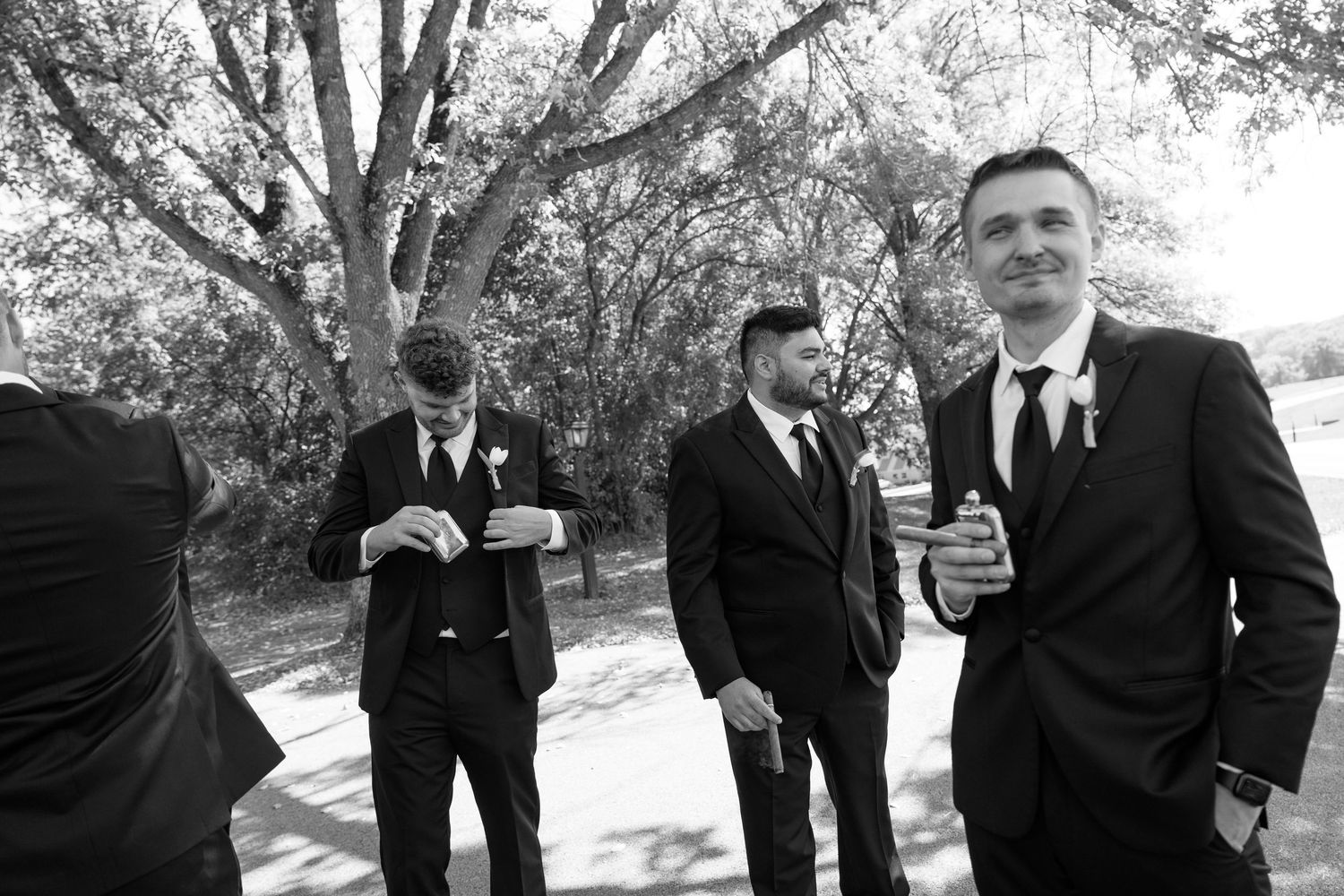
So, I've decided to choose it. To master it and its imperfection and its beauty. Here are a few film photos I've taken in 2025, from Alaska, from college game days, and from a few sessions and weddings. These frames feel nostalgic to me because they’re from my life, and because they make me feel like a documentarian and also cooler than I am. But they’re also the way I want your memories to feel: true and worth returning to.